
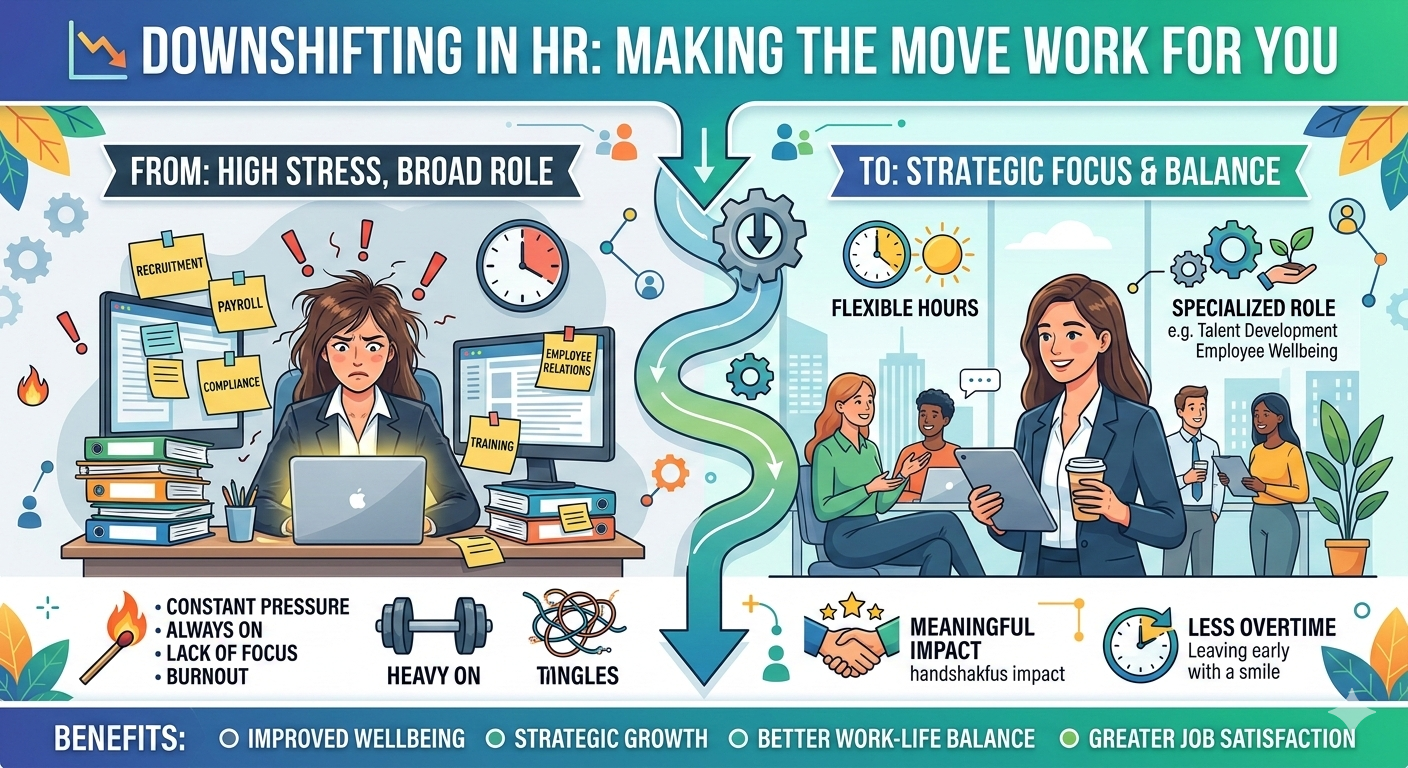
📉 Downshifting in HR: Making the Move Work for You
In the fast-paced world of Human Resources, the drive to climb the corporate ladder, take on more responsibility, and continuously achieve more is often the default setting. However, a growing trend, sometimes called “downshifting,” is challenging this mindset. It’s the conscious decision to voluntarily step back from a demanding, high-status, or high-stress role to one that offers a better work-life balance, less pressure, or a greater focus on personal well-being.
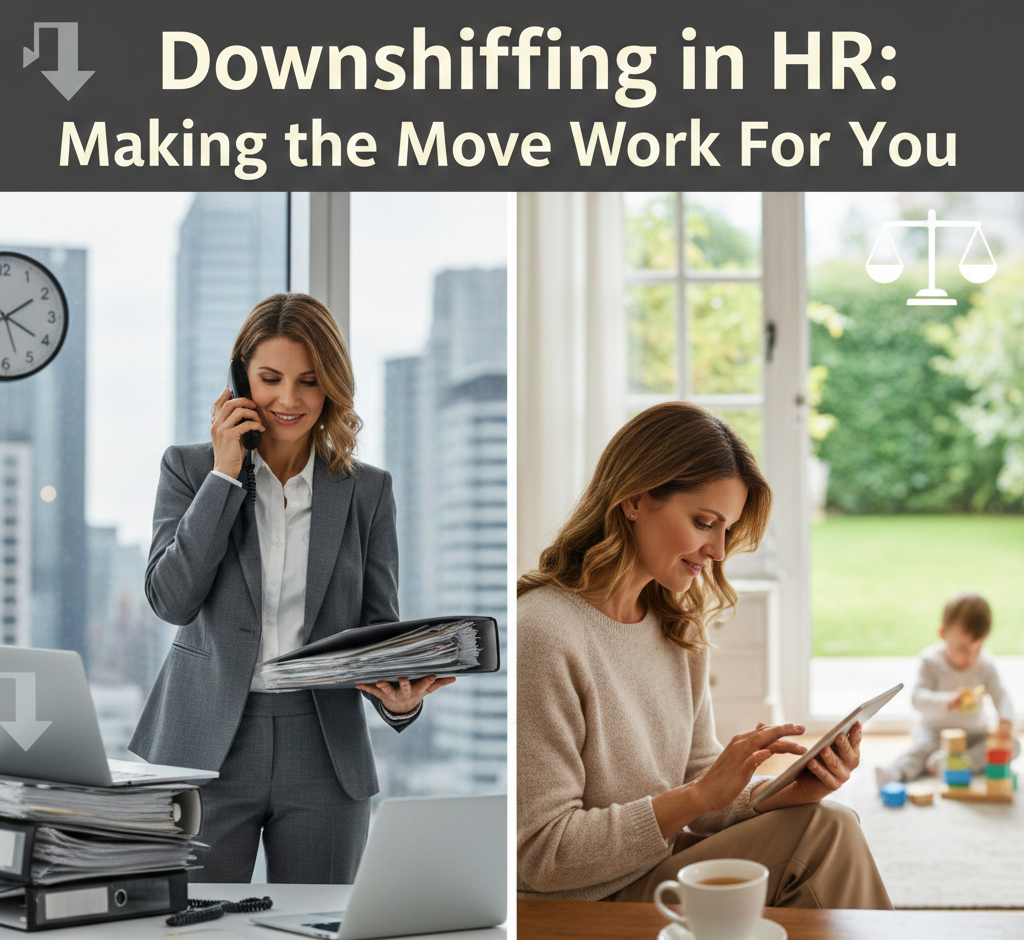
For HR professionals who often counsel others on career management, making this move for themselves can be a powerful, life-changing decision.
What Exactly is “Downshifting” in HR?
Downshifting isn’t about quitting or failing; it’s a re-prioritization.
-
It is NOT: Taking a pay cut to do the same job poorly, or losing your passion for HR.
-
It IS: Choosing a role with a lower scope, fewer direct reports, or reduced travel/working hours to gain more time and energy for things outside of work.
Examples of Downshifting in the HR Domain:
| From Role | To Role | Potential Benefit |
| VP of HR/CHRO (Executive Team) | Senior HR Consultant (Project-based) | Less political pressure, flexible schedule. |
| HR Business Partner (Supporting 1,000+ employees) | Specialist (e.g., L&D, Compensation Analyst) | Less crisis management, deeper focus on a specific passion. |
| High-Travel Recruiting Manager | In-House Recruiter (Local/Remote) | Eliminate travel, gain predictable work hours. |
🤔 Why HR Professionals Are Choosing to Downshift
HR is often a high-burnout field. We are the emotional and organizational support system for the entire company. The reasons for seeking a lighter load are deeply personal but often cluster around these key themes:
-
Combating Burnout: After years of managing restructurings, sensitive employee relations, and continuous policy updates, the emotional fatigue is real. Downshifting offers a chance to recharge.
-
Focusing on Life Changes: Welcoming a new child, caring for a family member, pursuing an advanced degree, or dedicating time to a major personal project (like writing a book or starting a side hustle).
-
Seeking Deeper Impact: A massive, global role might feel impersonal. Downshifting to a smaller organization or a highly specialized function can allow you to see the direct impact of your work, which can be more fulfilling.
-
Reclaiming Time: Trading a hefty salary for a more reasonable 40-hour week. This exchange of money for time is the core trade-off of the downshifting philosophy.
🔑 Tips for a Successful Downshift
Making this transition requires careful planning and a clear understanding of your personal priorities.
1. Define Your “Why” Clearly
Before you even look at a new job description, articulate what you are seeking to gain. Is it time, flexibility, less stress, or a specific skill focus? Use this as your non-negotiable filter for any new opportunity.
2. Embrace the Narrative
When interviewing for the new, smaller role, be prepared to own your decision. Instead of saying, “I’m tired of the pressure,” say: “I’m at a point in my career where I want to leverage my executive experience in a specialist capacity, allowing me to focus deeply on [Specific HR function] and deliver high-quality, targeted results.” This frames the move as a strategic choice, not a retreat.
3. Manage the Financial Reality
Downshifting often involves a salary adjustment. Create a realistic personal budget before you make the leap. This preparation will mitigate future stress and allow you to fully enjoy the reduced pressure of the new role.
4. Leverage Your Experience
The beauty of a downshift in HR is that you carry your years of experience with you. A Recruiting Specialist who was once a VP of Talent brings invaluable strategic insight to a tactical role, making them incredibly effective. Highlight how your previous seniority makes you a better, faster, and more strategic individual contributor.
✨ The Takeaway for HR Professionals:-
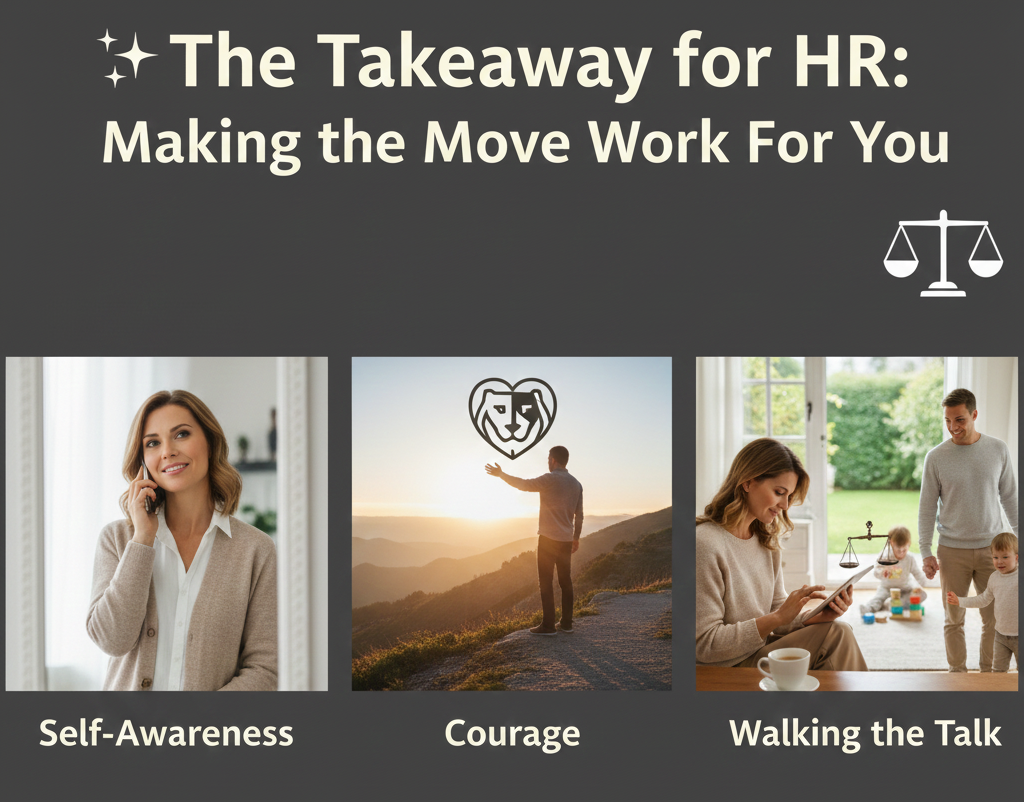
Downshifting is not a sign of career failure; it’s a powerful testament to self-awareness and courage. In an HR world that constantly pushes employees towards balance, it’s a demonstration of walking the talk. It proves that a successful career can be one that is meaningful, sustainable, and aligned with your definition of a good life, not just your job title.