
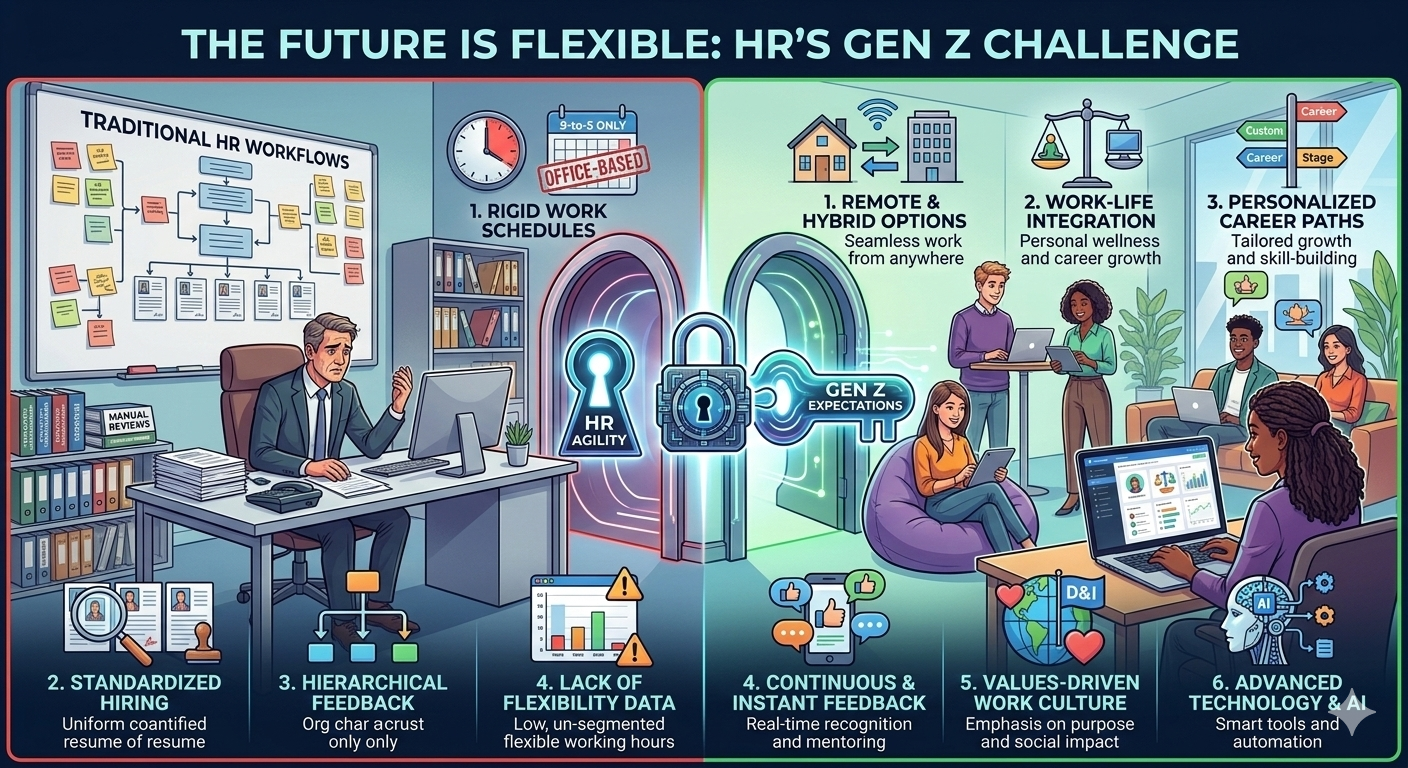
Bridging the Gen Z Gap: Innovative HR Solutions for the Modern Workforce
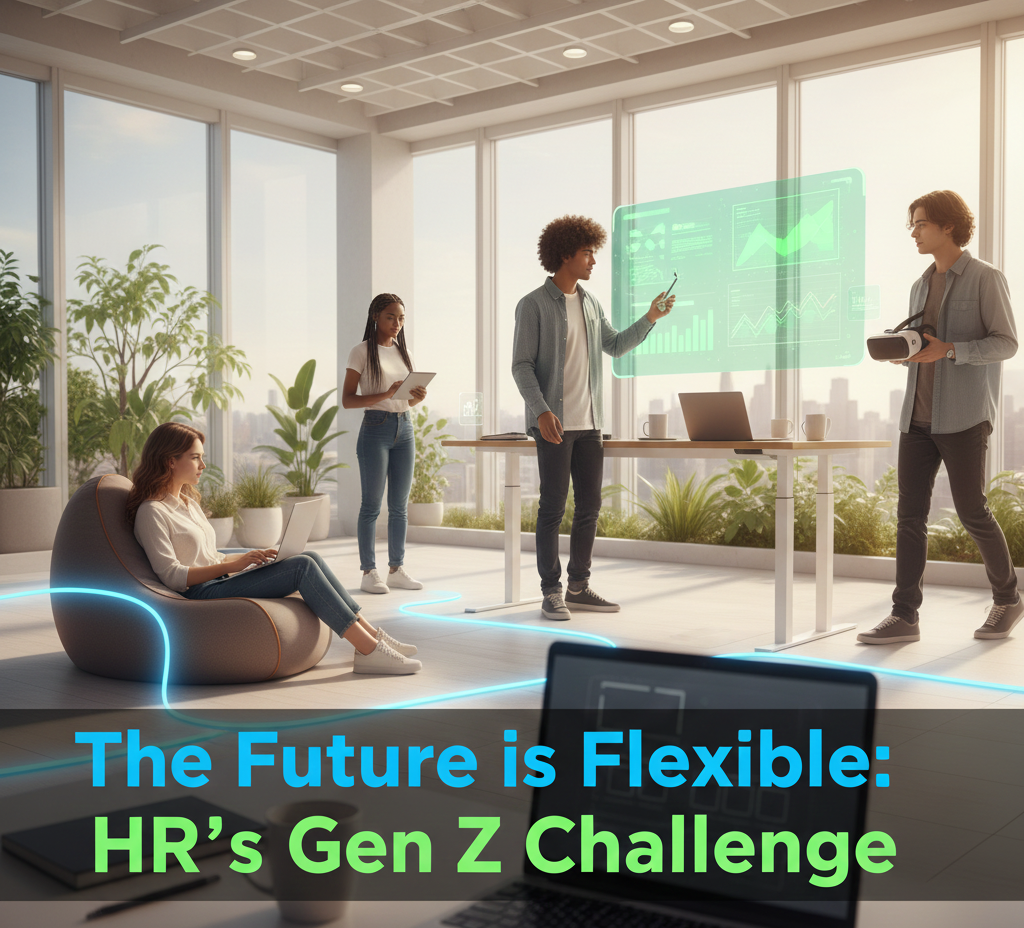
Generation Z, born between 1997 and 2012, is rapidly becoming a dominant force in the global workforce. This generation, raised in a digitally native world, brings a unique set of expectations, values, and work styles that are reshaping traditional HR practices. For businesses to thrive, understanding and adapting to Gen Z’s needs isn’t just an advantage – it’s a necessity.
The oldest members of Gen Z are now in their mid-20s, holding significant roles and influencing workplace culture. As they continue to enter and ascend within the professional world, their impact will only grow. This means that HR departments, often seen as the backbone of an organization’s people strategy, must pivot and innovate to remain relevant and effective.
Understanding the Gen Z Mindset: Key Characteristics and Expectations
Gen Z is characterized by several key traits that significantly influence their approach to work. These aren’t just preferences; they are foundational aspects of their worldview shaped by their upbringing in an era of rapid technological advancement, global challenges, and heightened social awareness.
-
Digital Natives: They’ve never known a world without the internet or smartphones. Technology is an extension of themselves. This translates to a natural aptitude for digital tools, a preference for instant communication, and an expectation for seamless, intuitive digital processes in the workplace. Slow, manual systems are a major turn-off.
-
Purpose-Driven: More than previous generations, Gen Z seeks meaning and purpose in their work. They want to contribute to something bigger than themselves and are often drawn to companies with strong ethical values, a clear social mission, and a commitment to positive impact. A paycheck alone isn’t enough; they want to feel their work matters.
-
Diversity and Inclusion Champions: Having grown up in an increasingly diverse world, Gen Z expects workplaces that actively champion diversity, equity, and inclusion (DE&I). They are highly attuned to social justice issues and are quick to call out performative actions. They seek genuine commitment and tangible efforts in fostering an inclusive environment where all voices are heard and valued.
-
Feedback Seekers & Growth-Oriented: This generation thrives on regular, constructive feedback and continuous opportunities for learning and development. They view feedback not as criticism, but as a roadmap for improvement. They expect transparency, clear communication, and defined pathways for career growth and skill acquisition.
-
Work-Life Integration (Not Just Balance): While work-life balance is important, Gen Z often views it more as work-life integration. They seek flexibility and autonomy, understanding that work doesn’t always happen within traditional 9-to-5 boundaries. They value employers who trust them to manage their time effectively and provide options for remote or hybrid work.
-
Financial Pragmatism: Many Gen Z individuals have witnessed economic instability, making them financially pragmatic. They value competitive compensation, clear career paths, and opportunities for financial growth and security. They are also savvy consumers of information and will research salary benchmarks.
-
Authenticity and Transparency: They value genuine interactions and clear communication from their leaders and organizations. They can detect inauthenticity quickly and prefer straightforwardness over corporate jargon or sugar-coating.
Innovative HR Solutions for a Gen Z Workforce: Adapting and Thriving
To effectively engage Gen Z, HR departments need to move beyond outdated models and embrace forward-thinking strategies that align with these characteristics.
1. Tech-Forward Recruitment and Onboarding: The Digital Gateway
For Gen Z, the first impression of a company is often digital. HR must create an experience that mirrors their digital-first world.
-
Digital-First Applications & AI Screening: Streamline application processes with mobile-friendly interfaces, video applications, and AI-powered screening tools that provide quick responses. Eliminate lengthy forms and embrace intuitive platforms.
-
Engaging Digital Onboarding: Move beyond mountains of paperwork. Utilize digital platforms for interactive onboarding experiences, virtual office tours, and personalized learning modules. Incorporate gamification or virtual reality elements to make the introduction to company culture dynamic and memorable.
-
Strategic Social Media Presence: Leverage platforms like LinkedIn, Instagram, TikTok, and even YouTube to showcase company culture, employee testimonials, day-in-the-life content, and career opportunities. This provides an authentic glimpse into what it’s like to work there.
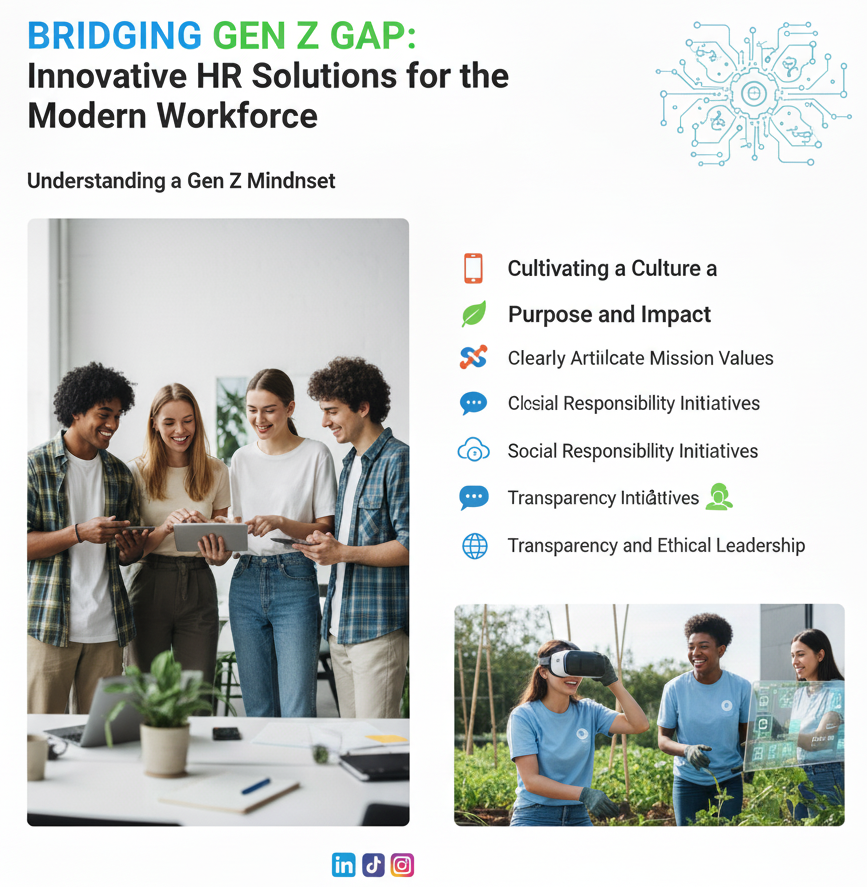
2. Cultivating a Culture of Purpose and Impact: Beyond the Bottom Line
Gen Z wants to work for companies that align with their values and make a positive difference in the world.
-
Clearly Articulate Mission and Values: Ensure that the company’s mission, vision, and values are not just statements on a wall but are actively lived, demonstrated, and communicated by leadership and employees.
-
Meaningful Social Responsibility Initiatives: Involve employees in Corporate Social Responsibility (CSR) programs, volunteering opportunities, and sustainable practices. Highlight the positive impact the company and its employees are making on local and global communities. Create pathways for employees to propose and lead initiatives they care about.
-
Transparency and Ethical Leadership: Gen Z values authenticity. Leaders should be transparent in their decision-making, especially concerning social and environmental issues, and consistently uphold strong ethical standards. Foster an environment where employees feel safe to speak up.
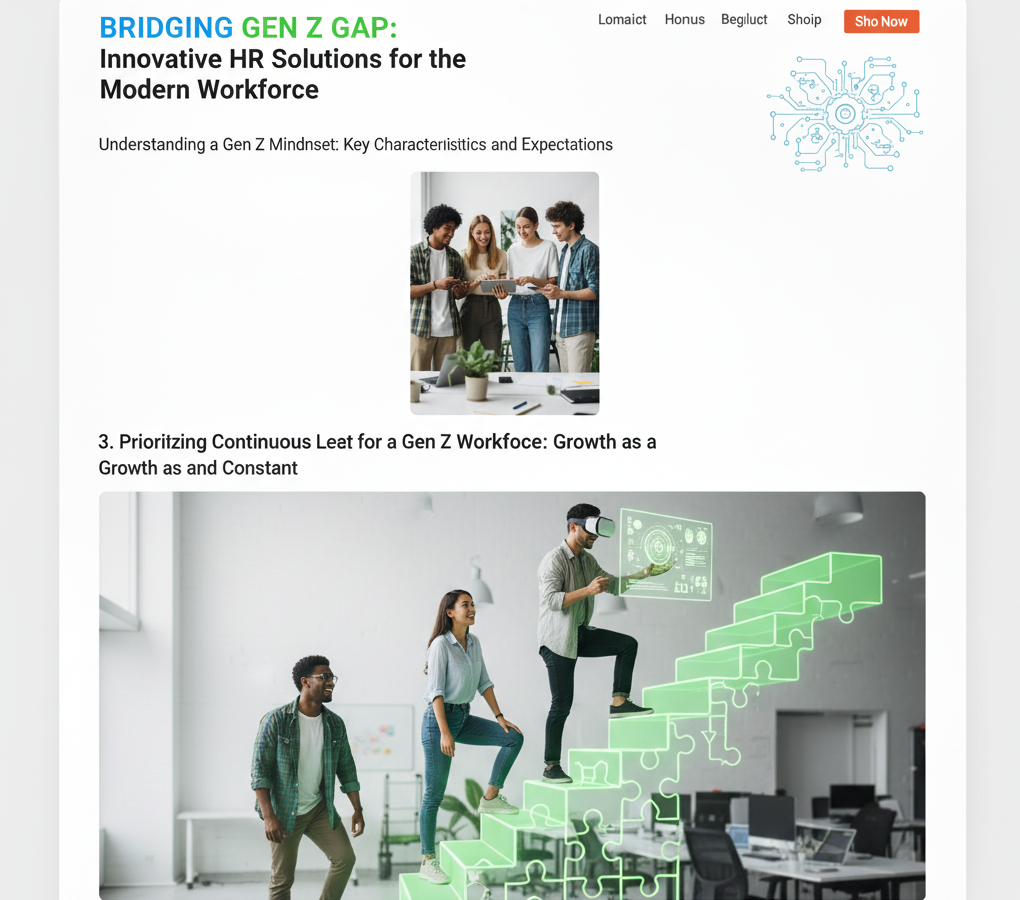
3. Prioritizing Continuous Learning and Development: Growth as a Constant
This generation expects constant opportunities to grow and learn, not just static job roles.
-
Microlearning and Gamification: Offer bite-sized, engaging learning modules that can be accessed on demand through mobile apps or internal platforms. Gamify training to make it more interactive, competitive, and rewarding, tracking progress and offering virtual badges or recognition.
-
Robust Mentorship and Coaching Programs: Facilitate formal and informal mentorship opportunities with experienced employees. Provide access to professional coaching to support skill development, career planning, and personal growth. Reverse mentorship programs, where Gen Z educates older generations on technology or social trends, can also be highly effective.
-
Clear Skill Development Pathways: Clearly outline opportunities for upskilling and reskilling, aligning them with individual career aspirations and current/future organizational needs. Utilize internal talent marketplaces to connect employees with projects that allow them to develop new skills.