

POSH: The Foundation of Workplace Safety:-
In Human Resources, ensuring a safe, respectful, and inclusive workplace is paramount, and this is anchored by the Prevention of Sexual Harassment (POSH) Act, 2013. Effective POSH content creation goes beyond mere compliance; it’s about fostering a culture of zero tolerance. HR content must be clear, engaging, and accessible to empower every employee with the knowledge to recognize, prevent, and report sexual harassment, transforming a legal mandate into an active organizational value.
Strategy for Engaging POSH:-
To drive genuine awareness and behavioral change, POSH content must shift from dry legal text to relatable, interactive learning. HR should leverage diverse formats—from short explainer videos and infographics to interactive e-learning modules. A key strategy is incorporating real-life case studies (anonymized) and role-playing scenarios to demonstrate what constitutes harassment (verbal, physical, visual, and online) and how to apply the policy. Content must also clearly detail the Internal Complaints Committee (ICC) structure and the confidential reporting mechanism, ensuring employees trust the redressal process. Continuous, year-round campaigns are far more effective than one-time compliance training.
POSH:-
Effective POSH content relies on specific, impactful keywords that frame the discussion and ensure searchability and clarity.
| Keyword Point | Content Explanation |
| POSH Act, 2013 | This is the legal foundation. Content must clearly cite the Sexual Harassment of Women at Workplace (Prevention, Prohibition and Redressal) Act. Explanation: This establishes the statutory requirement for the organization, not just a company policy. |
| Sexual Harassment Definition | Content must explicitly define the three forms (Quid Pro Quo, Hostile Work Environment, and a detailed list of unwelcome acts—physical, verbal, non-verbal). Explanation: This removes ambiguity, allowing employees to confidently identify inappropriate behavior and understand the scope of protection. |
| Internal Complaints Committee (ICC) | Content must detail the ICC’s composition, roles, and responsibilities (Presiding Officer, members, external member). Explanation: The ICC is the redressal authority. Knowing who they are and how they function builds trust and confidence in the complaint process. |
| Confidential Reporting | Emphasize the step-by-step reporting process and the assurance of confidentiality and non-retaliation. Explanation: Fear of retribution is the number one barrier to reporting. Content must explicitly guarantee the protection of the complainant and witnesses, encouraging them to speak up. |
| Bystander Intervention | Teach employees how to be active bystanders—safely intervening, distracting, or reporting when they witness harassment. Explanation: This shifts the responsibility from just the victim to the entire workplace community, fostering a proactive culture of respect. |
| Zero Tolerance Policy | Clearly communicate the consequences for offenders, including disciplinary actions (warning, suspension, termination) as recommended by the ICC. Explanation: This demonstrates the organization’s serious commitment and deterrent against misconduct. |
⚖️ Pros and Cons of POSH Compliance in HR:-
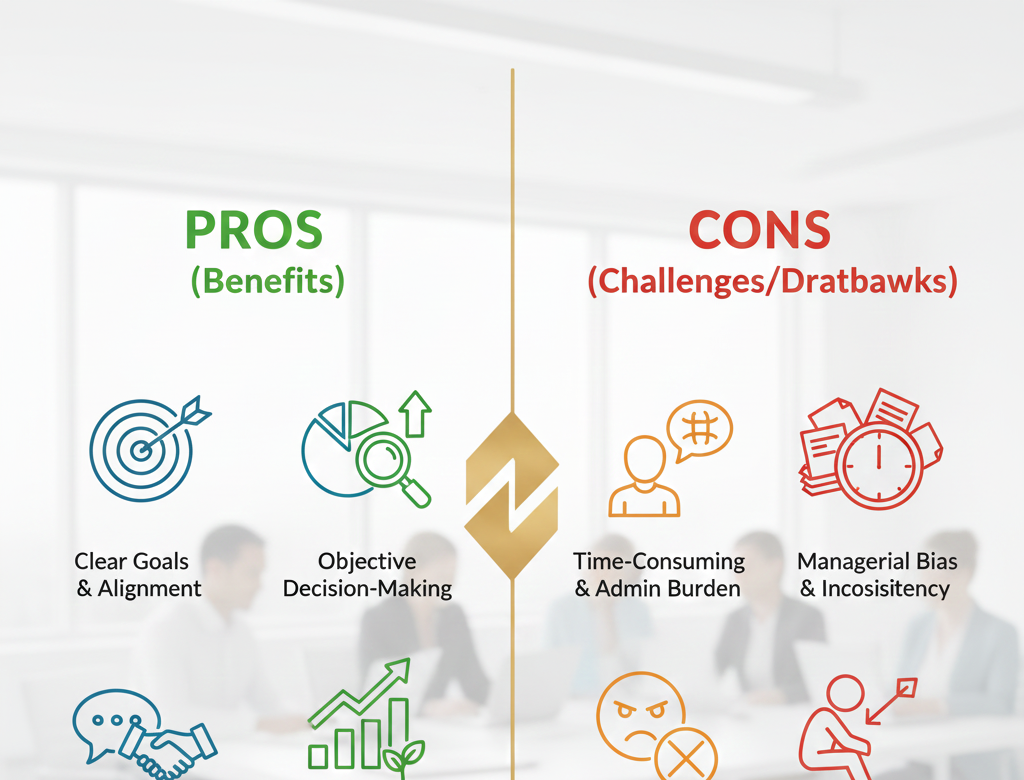
The Prevention of Sexual Harassment (POSH) Act, 2013, is a legal mandate that requires all organizations to provide a safe and respectful work environment for women. Content creation around POSH aims to drive awareness and ensure compliance.
| Pros (Benefits) | Cons (Challenges/Drawbacks) |
| Legal Compliance & Risk Mitigation | Implementation Challenges for ICC |
| Ensures the organization adheres to the law, preventing severe legal penalties, fines (up to ₹50,000 initially), and potential business license cancellation. | Internal Complaints Committee (ICC) members often lack formal legal/judicial expertise, leading to potential procedural errors or biased decisions that can be challenged. |
| Enhances Employee Trust & Morale | Fear of Retaliation and Non-Reporting |
| Employees feel protected, leading to higher job satisfaction, reduced anxiety, and increased trust in the organization’s ethical commitment. | Fear of retribution from the accused (especially if they are senior management) or social embarrassment can prevent up to $\text{62\%}$ of incidents from being reported. |
| Improves Productivity and Retention | Maintaining Strict Confidentiality |
| A safe and respectful environment allows employees to focus on work, boosting engagement, productivity, and reducing turnover/attrition rates. | Although mandatory, leakage of information about the case, complainant, or respondent is a high risk and can create undue pressure. |
| Builds Positive Corporate Reputation | The Act is Gender-Specific |
| Demonstrates a strong commitment to ethical practices and gender equality, enhancing brand value and attracting top talent and investors. | The current Act primarily covers women in the workplace. While companies can create gender-neutral policies, the legal redressal mechanism under the POSH Act is not available to male employees. |
Conclusion: Driving a Culture of Dignity:-
Successful POSH content creation transforms a legal mandate into a core organizational value. By prioritizing clarity, empathy, and interactivity, HR can empower all employees to become active participants in maintaining a safe environment. Consistent, high-quality POSH content not only ensures legal compliance but also reinforces employee trust, morale, and dignity, ultimately securing the reputation and ethical standing of the entire organization.